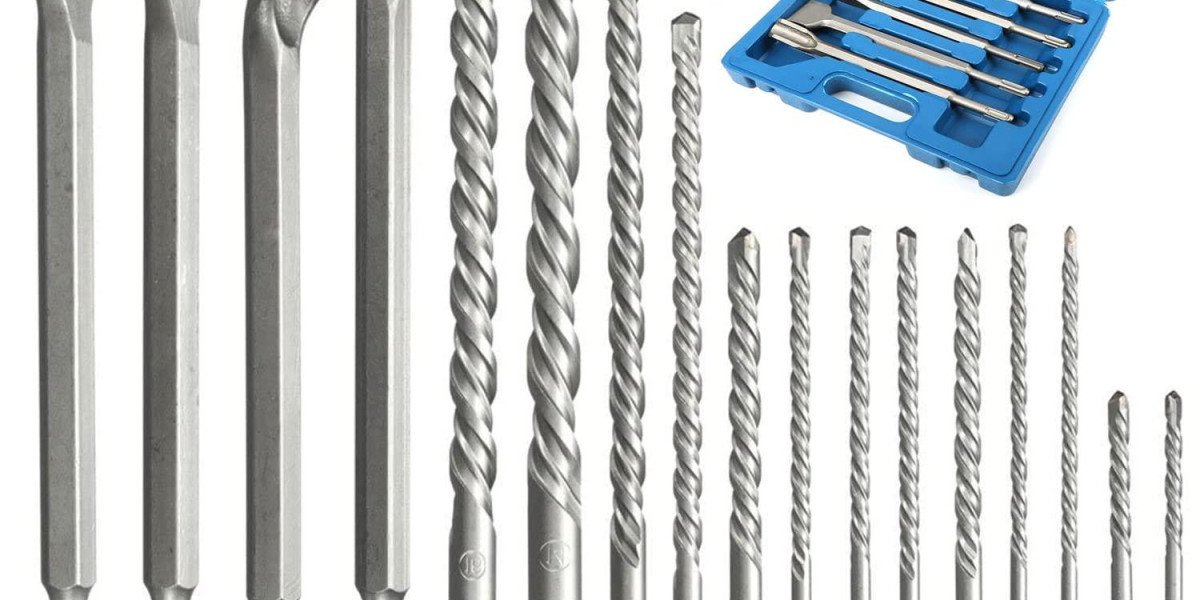

In many construction and renovation settings, the SDS Drill Bit is associated with controlled drilling where material resistance and workflow stability must be balanced. At fangda-tools, attention is directed toward how such tools function in real working environments rather than how they are positioned in promotional language. The emphasis remains on suitability for routine tasks, ease of integration, and predictable behavior across common applications.
Daily site work often involves varied surfaces and changing conditions. Masonry walls, reinforced sections, and structural components each respond differently during drilling. Tools that behave consistently across these materials help operators maintain a steady pace and reduce unnecessary interruptions. This continuity supports smoother coordination, particularly when multiple drilling steps are required within a single process.
Handling and feedback are central to practical drilling. When a tool responds in a controlled and familiar manner, users can focus on alignment and positioning instead of constant adjustment. This can be especially valuable in tasks where accuracy affects subsequent installation steps. Over time, such stability contributes to clearer workflows and more organized project execution.
Another important consideration is compatibility with existing equipment. Many professionals rely on established drilling systems and accessories, making seamless fit a priority. Solutions that integrate without added modification help reduce setup time and keep attention on the task itself. This adaptability is often appreciated in environments where efficiency depends on quick transitions between operations.
Material interaction also shapes outcomes. Hard substrates generate debris and resistance that must be managed effectively during drilling. Designs that support steady removal and controlled penetration help maintain surface integrity and reduce the need for rework. This approach aligns with practical expectations on job sites, where time and clarity of results matter.
Beyond immediate performance, thoughtful tool selection reflects a broader perspective on work habits. Choosing equipment based on application needs rather than general impressions supports more consistent results over time. It also encourages users to develop routines that align tools, techniques, and materials in a cohesive way.
As construction practices continue to evolve, expectations around reliability and adaptability remain central. Tools that support routine challenges without unnecessary complexity can help maintain steady progress across varied tasks. Evaluating options through the lens of everyday use often provides insights that go beyond surface descriptions.
If you are interested in seeing how application-driven thinking is reflected across a wider range of drilling solutions, consider taking a closer look. Visit https://www.fangda-tools.com/product/ and explore perspectives that may align with your working approach and upcoming projects.