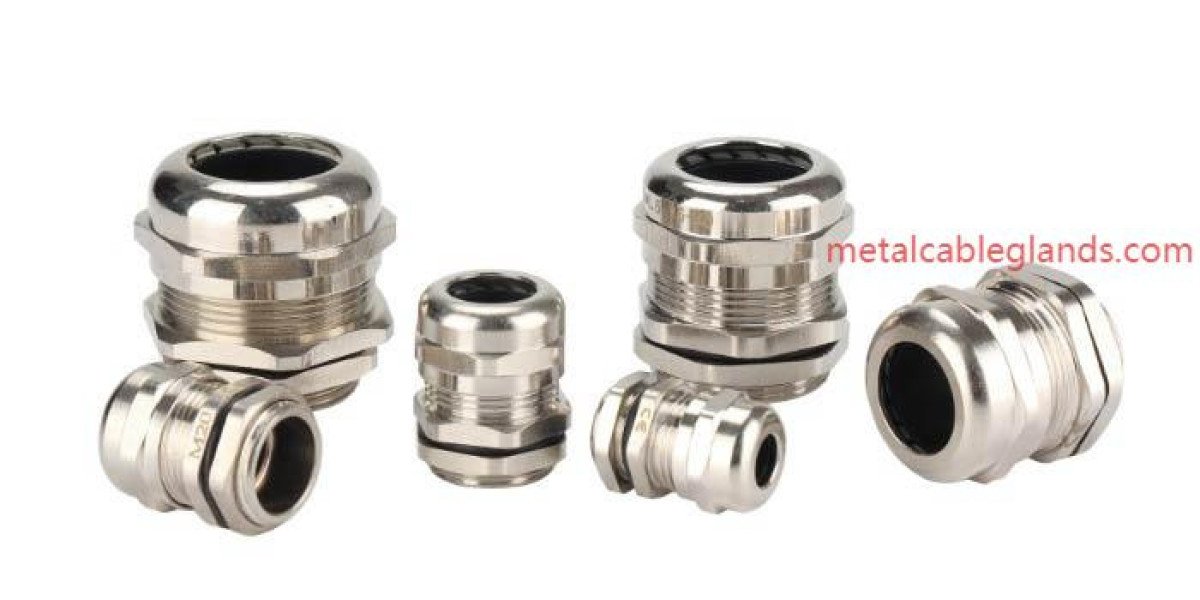

Industrial electrical systems increasingly demand components engineered for durability, and this is where a Stainless Steel Cable Gland plays a critical role, especially in environments requiring strong resistance to moisture, vibration, and corrosive exposure. As industries transition toward automation and higher power densities, engineering teams rely on premium sealing hardware—such as the Stainless Steel Cable Gland solutions produced by Zhejiang Hongjuesi Connector Co., Ltd.—to maintain system reliability even when operating conditions are unstable or unpredictable.
Material Composition Designed for Longevity
The mechanical stability of stainless-steel cable entry devices begins with the alloy’s unique composition. Chromium enhances surface passivation, while nickel contributes to toughness and resistance to pitting. These characteristics provide a significant advantage over aluminum and brass alternatives when the installation must withstand long-term exposure to salt spray, chemical vapor, or industrial cleaning solutions. Cable sealing components fabricated from stainless steel resist oxidation even after years of thermal cycling, allowing them to retain their dimensional accuracy and prevent thread wear.
In sectors like marine engineering, industrial refrigeration, and mining, stainless-steel glands are valued for their resistance to fatigue and stress cracking. Zhejiang Hongjuesi Connector Co., Ltd. incorporates controlled machining processes and surface treatments to ensure uniformity, which helps maintain tightness even when mounted on rough or irregular enclosure surfaces. This precision enhances sealing efficiency and reduces maintenance requirements.
Core Functional Elements That Enhance System Protection
A cable gland’s primary purpose is to secure cables, prevent strain, and protect electrical integrity at entry points. Stainless-steel versions elevate this function through a combination of mechanical strength and environmental sealing capability.
One critical performance factor is thread stability under mechanical load. Stainless-steel glands maintain consistent thread engagement even after prolonged vibration, making them suitable for pump stations, automated conveyor lines, tunnel infrastructure, and outdoor power systems. The internal compression components produce uniform pressure along the cable sheath, reducing the risk of insulation displacement and mechanical fatigue.
Water-tight and dust-tight sealing performance is crucial in high-risk environments. Many stainless-steel assemblies are designed to achieve elevated ingress-protection ratings, ensuring that critical enclosures remain safeguarded from pressurized water or airborne particulates. Their metal body also withstands rapid temperature changes without losing structural integrity, which is particularly useful in industrial heating systems or outdoor installations with intense solar exposure.
Thermal Reliability Across Extreme Temperature Conditions
Thermal performance is a defining characteristic when selecting high-grade electrical components. Stainless steel exhibits low thermal deformation compared with softer metals, enabling cable glands made from this material to maintain consistent clamping force even when surrounding temperatures fluctuate drastically.
This advantage becomes essential in renewable-energy facilities such as solar farms, wind turbines, and remote power stations. Outdoor installations frequently experience daily cycles of high heat followed by rapid cooling, placing stress on both the enclosure and its entry components. Stainless-steel glands remain stable under these conditions and prevent moisture intrusion, condensation buildup, or cable slippage.
In industrial furnace environments or chemical plants where ambient temperatures can spike suddenly, stainless-steel cable sealing devices continue to perform without compromising mechanical structure. Zhejiang Hongjuesi Connector Co., Ltd. designs its stainless-steel models to help ensure safe operation within such thermally demanding conditions.
Integration Into Critical Industry Applications
Industrial plants and infrastructure projects rely on robust cable-entry systems for operational safety and efficiency. Stainless-steel gland assemblies are used extensively in marine vessels, petrochemical refineries, process-automation lines, wastewater facilities, and high-vibration equipment. Their corrosion resistance and mechanical endurance make them suitable for mission-critical circuits, control panels, junction boxes, and power-distribution frames.
Some applications demand compatibility with armored cables, while others require sealing against oil mist or industrial solvents. Stainless-steel glands remain versatile across these scenarios because their rigid shell and internal compression components maintain sealing performance even after prolonged exposure. Zhejiang Hongjuesi Connector Co., Ltd. provides a broad range of models designed to integrate with both metric and NPT interface standards, supporting global installation requirements.
Where to Explore More Technical Options
Professionals seeking durable cable-entry solutions and long-lasting metal sealing components can explore additional technical specifications and available configurations through Zhejiang Hongjuesi Connector Co., Ltd. More information is available at: https://www.metalcableglands.com/product .